Dental problems do not always begin with severe pain.
Sometimes, the first signs are subtle, such as bleeding when you brush, increased sensitivity, persistent bad breath, or a small change in a tooth.
Because these symptoms can seem manageable at first, it is easy to put off making an appointment.
However, early attention can make a difference. A dental examination can help identify the cause of a symptom and determine whether treatment is needed.
If you have noticed something unusual with your teeth or gums, knowing which warning signs deserve attention can help you decide when it is time to contact a dentist in Plainsboro.
7 Warning Signs You Should Visit a Dentist in Plainsboro
1. Persistent or Recurring Tooth Pain
Tooth pain is one of the clearest signs that something may need professional attention.
Pain can have several causes, including tooth decay, a damaged tooth, infection, gum problems, or sensitivity. Even if the discomfort disappears temporarily, the underlying issue may still be present.
Rather than relying on pain medication or waiting for the problem to become worse, schedule a dental examination if pain continues or repeatedly returns.
Finding the cause early may allow your dentist to address the problem before it becomes more complicated.
2. Bleeding or Swollen Gums
Seeing a small amount of blood when brushing or flossing is not something you should automatically consider normal.
Bleeding, swollen, red, tender, or irritated gums can be associated with gum inflammation and other oral health concerns. Sometimes the cause may be plaque buildup or inadequate cleaning, while persistent symptoms may require a more thorough dental assessment.
If your gums regularly bleed or remain swollen, it is worth discussing the symptoms with your dentist rather than simply avoiding brushing or flossing the area.
3. Increased Tooth Sensitivity
Do your teeth hurt when you drink something cold, eat hot food, or have something sweet?
Occasional sensitivity can happen for different reasons, but persistent or worsening sensitivity deserves attention. It may be associated with enamel wear, gum recession, tooth decay, cracks, or other dental concerns.
A dentist can assess the affected teeth and determine what may be causing the sensitivity. Treatment will depend on the underlying issue.
4. Persistent Bad Breath or an Unpleasant Taste
Everyone experiences bad breath occasionally, but persistent bad breath that does not improve with regular brushing, flossing, and cleaning may be a sign of an underlying oral health problem.
Gum disease, tooth decay, dry mouth, and other conditions can contribute to ongoing odour or an unpleasant taste.
If the problem continues despite good oral hygiene, a dental examination can help identify the cause and determine the appropriate treatment.
5. A Loose or Shifting Tooth
Adult teeth should not normally become loose.
A loose or shifting tooth can be associated with gum disease, injury, infection, or other dental problems. The sooner the cause is assessed, the sooner your dentist can determine what treatment may be appropriate.
Do not wait for the tooth to become significantly loose or painful before seeking professional advice.
6. A Cracked, Chipped, or Damaged Tooth
A tooth can become damaged from an accident, sports injury, biting something hard, teeth grinding, or general wear.
Even a small crack or chip should not automatically be dismissed as a cosmetic issue. Some damage may affect the structure of the tooth or make it more vulnerable to further problems.
A dentist can examine the tooth and determine whether it needs monitoring, repair, or another form of treatment.
7. Changes in Your Mouth That Do Not Go Away
Pay attention to changes inside your mouth, including unusual lumps, sores, patches, swelling, or areas that do not heal as expected.
Many oral changes have harmless causes, but persistent or unexplained changes should be assessed by a dental professional. Your dentist can examine the area and determine whether further investigation is necessary.
Why You Shouldn’t Ignore Dental Warning Signs
It is tempting to wait until a dental problem becomes painful enough to interfere with daily life. Unfortunately, some dental conditions can progress without causing significant discomfort in their early stages.
Delaying an appointment may allow a relatively manageable issue to become more complicated. Early assessment gives your dentist an opportunity to identify the cause, discuss your options, and recommend appropriate care.
When Is Dental Pain an Emergency?
Not every dental symptom requires emergency care, but some situations need urgent attention.
Severe dental pain accompanied by significant swelling, difficulty breathing or swallowing, uncontrolled bleeding, or signs of a serious infection requires prompt professional assessment.
If you experience a dental injury or sudden severe symptoms, contact a dental professional as soon as possible for guidance on the appropriate next step.
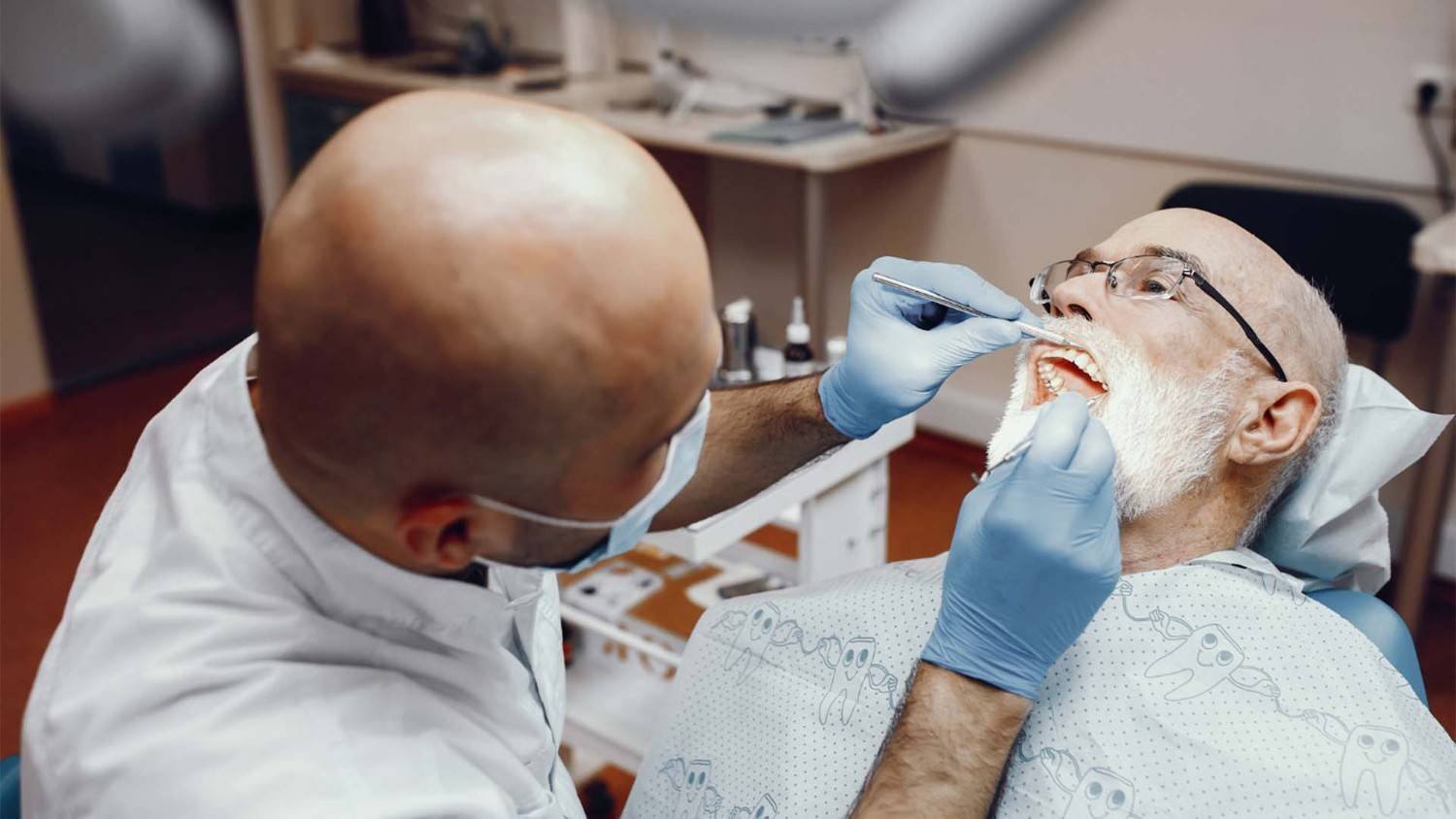
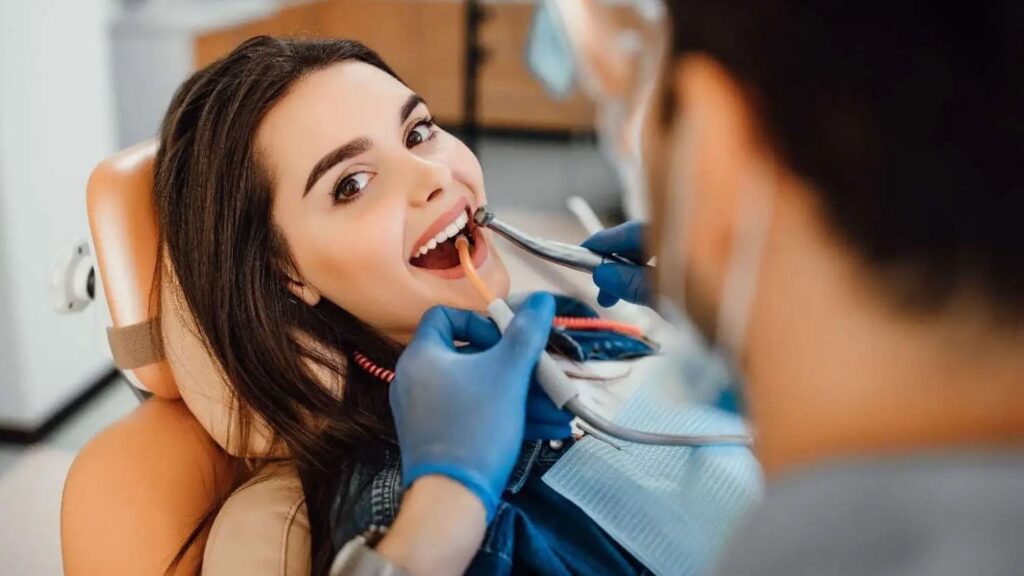
What Happens During a Dental Examination?
When you visit a dentist, the appointment will typically begin with questions about your symptoms, dental history, and general oral health.
Your dentist will examine your teeth, gums, and surrounding tissues. Depending on what they find, dental X-rays or other diagnostic tools may be recommended to obtain additional information.
The goal is to understand what is causing the problem and determine whether treatment or monitoring is appropriate.
How to Find the Right Dentist in Plainsboro
When choosing a dental practice, consider more than convenience.
Look for a dental team that provides comprehensive care, explains treatment clearly, listens to your concerns, and takes a preventive approach to oral health.
A comfortable environment can also make it easier to maintain regular appointments, particularly if you feel nervous about dental treatment.
Choosing a dental practice you trust can make maintaining your oral health a much more manageable part of your routine.
Protect Your Oral Health with Smile Flossophy
Paying attention to the early signs of dental problems can make a significant difference to your oral health. You do not have to wait until symptoms become severe before seeking professional advice.
At Smile Flossophy, we believe preventive care and early diagnosis are the best ways to keep your teeth and gums healthy while reducing the need for more complex treatments.
Whether you’re experiencing tooth pain, bleeding gums, sensitivity, or simply haven’t had a dental check-up in a while, our caring team is here to provide the support and treatment you need.
We offer comprehensive dental care for patients of all ages in a welcoming and comfortable environment. From routine exams and professional cleanings to restorative and cosmetic treatments, we create personalized care plans that help you achieve and maintain a healthy, confident smile.
Contact Smile Flossophy today to book an appointment with an experienced dentist in Plainsboro and take the next step towards a healthier smile.
FAQs
When should I see a dentist in Plainsboro?
You should consider seeing a dentist if you experience persistent tooth pain, bleeding or swollen gums, sensitivity, ongoing bad breath, a loose tooth, dental damage, or unexplained changes in your mouth.
Is tooth pain always a sign of a serious dental problem?
Not necessarily. Tooth pain can have many causes, ranging from sensitivity to decay or damage. However, persistent or recurring pain should be evaluated by a dentist to determine the underlying cause.
Why do my gums bleed when I brush?
Bleeding gums can be associated with gum inflammation and plaque buildup, although other factors may also contribute. If your gums regularly bleed, a dental examination can help identify the cause.
Should I see a dentist for sensitive teeth?
Yes, especially if sensitivity is persistent, worsening, or affecting your ability to eat and drink comfortably. A dentist can determine whether the sensitivity is related to enamel wear, gum recession, decay, cracks, or another issue.
Can bad breath be a sign of a dental problem?
Yes. Persistent bad breath can sometimes be associated with gum disease, tooth decay, dry mouth, or other oral health conditions. If it continues despite good oral hygiene, consider speaking with your dentist.
Is a loose adult tooth an emergency?
A loose adult tooth should be assessed promptly because it can be associated with gum disease, injury, infection, or other dental problems. Your dentist can determine the cause and recommend appropriate care.
What should I do if I crack or chip a tooth?
Contact your dentist for an assessment, particularly if the tooth is painful, sensitive, or significantly damaged. Avoid biting hard foods with the affected tooth until you receive professional advice.
How often should I visit a dentist?
The appropriate frequency depends on your individual oral health needs and risk factors. Your dentist can recommend an examination schedule based on your dental history and current condition.
Can regular dental check-ups prevent dental problems?
Regular check-ups cannot prevent every dental problem, but they can help identify issues earlier and support preventive care. Professional examinations and cleanings can also complement your daily brushing and flossing routine.