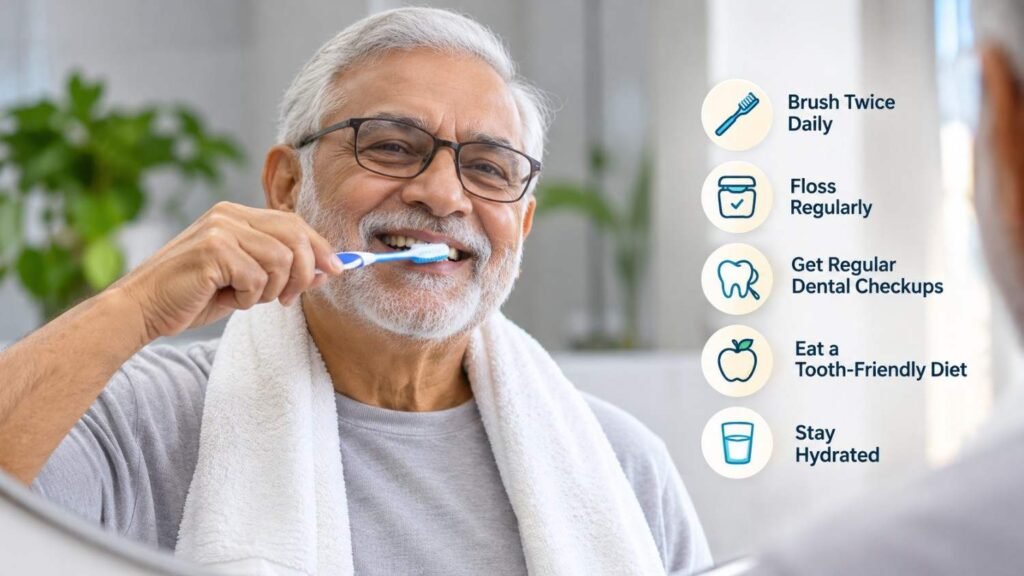
Growing older should not mean getting used to toothaches, avoiding your favourite foods, or feeling uncomfortable every time you smile.
Yet, many seniors quietly accept changes in their oral health as a normal part of ageing. Perhaps chewing has become harder, their mouth feels dry more often, or their gums seem more sensitive than they used to be. These changes deserve attention, not resignation.
Seniors can maintain healthy teeth and gums by following a consistent oral hygiene routine, attending regular dental checkups, managing dry mouth, eating a nutrient-rich diet, and addressing dental concerns early.
With the right Windsor family dental care, many older adults can preserve their natural teeth, protect their gums, and continue enjoying everyday activities without unnecessary discomfort.
The important thing to remember is that ageing itself does not mean losing your teeth.
Your oral health needs may change over time, but healthy habits and personalized dental care can make a meaningful difference.
Why Does Oral Health Become More Important as We Age?
Ageing can bring changes that affect the teeth, gums, saliva production, and ability to maintain daily oral hygiene.
However, most dental problems experienced by seniors are not unavoidable consequences of getting older. They are often connected to existing dental conditions, medications, lifestyle habits, or medical concerns that need attention.
Some common age-related oral health challenges include:
- Gum disease: Plaque accumulation can cause gum inflammation, bleeding, and eventually damage the tissues supporting your teeth.
- Tooth decay: Older adults can develop cavities around existing fillings, crowns, and exposed tooth roots.
- Dry mouth: Certain medications and medical conditions can reduce saliva production, increasing the risk of cavities.
- Tooth sensitivity: Receding gums may expose sensitive root surfaces.
- Tooth loss: Untreated decay and advanced gum disease can eventually result in missing teeth.
- Difficulty chewing: Missing teeth, poorly fitting dentures, and dental discomfort can make eating challenging.
These concerns can influence more than your smile. Oral discomfort may affect nutrition, confidence, speech, and overall quality of life.
1. Make Daily Oral Hygiene a Non-Negotiable Habit
A consistent oral hygiene routine is one of the most effective ways seniors can protect their natural teeth and gums.
Even if you have maintained good brushing habits for decades, your technique and dental products may need a little adjustment as your needs change.
Brush Twice Daily with Fluoride Toothpaste
Brush your teeth twice a day for approximately two minutes using fluoride toothpaste. Fluoride strengthens tooth enamel and helps protect against cavities.
A soft-bristled toothbrush is generally a comfortable choice, particularly if your gums are sensitive or have started to recede.
Remember to:
- Brush gently along the gumline.
- Clean the front, back, and chewing surfaces of every tooth.
- Avoid aggressive scrubbing.
- Replace your toothbrush every three to four months or sooner if the bristles become worn.
If holding a regular toothbrush has become difficult because of arthritis or reduced hand mobility, consider an electric toothbrush with a larger handle.
Do Not Skip Cleaning Between Your Teeth
Brushing alone cannot remove all the plaque and food particles trapped between teeth. Daily flossing or using an appropriate interdental cleaner helps clean these difficult-to-reach spaces.
If traditional floss feels uncomfortable or difficult to manage, ask your dentist about alternatives such as floss holders or interdental brushes.
2. Pay Attention to Dry Mouth Before It Causes Problems
Have you ever noticed that your mouth feels unusually sticky, especially when waking up or talking for extended periods?
Dry mouth, medically known as xerostomia, is a common concern among older adults.
Dry mouth often develops because of medications or underlying health conditions rather than ageing alone. Medicines used for blood pressure, allergies, depression, and other conditions may contribute to reduced saliva production.
Why does this matter?
Saliva plays an important role in protecting your teeth. It washes away food particles, neutralizes acids, and helps maintain a healthy environment inside your mouth.
When saliva production decreases, you may experience:
- Increased cavity risk.
- Difficulty swallowing or speaking.
- A burning sensation in your mouth.
- Cracked lips and a dry tongue.
- Changes in taste.
- Greater discomfort when wearing dentures.
Simple ways to manage dry mouth include neutralizing water regularly throughout the day.
- Chew sugar-free gum to encourage saliva production.
- Avoid excessive caffeine and alcohol.
- Use alcohol-free mouthwash.
- Ask your dentist about saliva substitutes or other suitable products.
Never stop or change prescribed medication without consulting your healthcare provider.
Your dentist can also help identify oral health concerns associated with your medications.
3. Protect Your Gums from Disease and Infection
Healthy gums are just as important as healthy teeth, particularly as you get older. Gum disease can develop gradually, and its early symptoms are sometimes mistaken for minor irritation.
Gingivitis is the earliest stage of gum disease. It can cause redness, swelling, and bleeding when brushing or flossing. Without proper treatment, it may progress to periodontitis, which can damage the bone and tissues supporting your teeth.
Which Warning Signs Should Seniors Watch For?
Do not ignore these changes:
- Gums that bleed regularly during brushing.
- Persistent bad breath.
- Swollen, tender, or red gums.
- Gums pulling away from the teeth.
- Teeth that feel loose or shift position.
- Discomfort when chewing.
One important detail: gum disease does not always cause pain in its early stages. Regular dental examinations help identify problems before they become more difficult to manage.
Seniors with diabetes should be particularly mindful of their gum health because diabetes and periodontal disease can influence one another.
Keeping your dentist informed about existing medical conditions helps support more appropriate dental care.
4. Eat Foods That Support Strong Teeth and Healthy Gums
Your food choices affect your oral health every day. A balanced diet provides essential nutrients that support your teeth, gums, and jawbone while helping your body maintain healthy tissues.
Try including these foods in your everyday meals:
| Food | How it supports oral health |
| Milk, yogurt and cheese | Provide calcium and other nutrients that support strong teeth |
| Leafy green vegetables | Supply vitamins and minerals |
| Apples and other whole fruits | Provide fibre and essential nutrients |
| Fish | Provide protein and, depending on the variety, vitamin D |
| Eggs | Supply protein and nutrients, including vitamin D |
| Water | Helps rinse away food particles and maintain moisture |
What Foods Should Older Adults Limit?
Frequent consumption of sugary snacks, sweets, soft drinks, and acidic beverages can increase the risk of tooth decay.
If chewing has become difficult, choose softer nutrient-rich foods rather than relying on processed snacks. Cooked vegetables, scrambled eggs, yogurt, oatmeal, and tender fish can make nutritious alternatives.
You do not need to give up everything you enjoy. The goal is to create eating habits that support your health without making mealtimes stressful.
5. Never Skip Dental Checkups, Even Without Pain
Feeling comfortable does not necessarily mean everything is healthy inside your mouth. Dental problems can develop without noticeable symptoms, making routine examinations especially important for seniors.
Your dentist can check for cavities, gum disease, oral infections, changes in existing restorations, and other concerns that may not be visible during everyday brushing.
During a dental appointment, your dentist may recommend:
- A professional dental cleaning to remove plaque and hardened tartar.
- Dental X-rays when clinically appropriate.
- Fluoride treatments for additional cavity protection.
- Periodontal evaluation to assess gum health.
- Examination of existing crowns, bridges, fillings, and dentures.
The frequency of visits depends on your individual oral health needs.
Some seniors may benefit from more frequent examinations and cleanings, particularly if they have gum disease, dry mouth, or a history of recurring cavities.
Think of Windsor family dental visits as preventive maintenance rather than something you schedule only when discomfort appears.
6. Give Your Dentures and Dental Restorations Proper Care
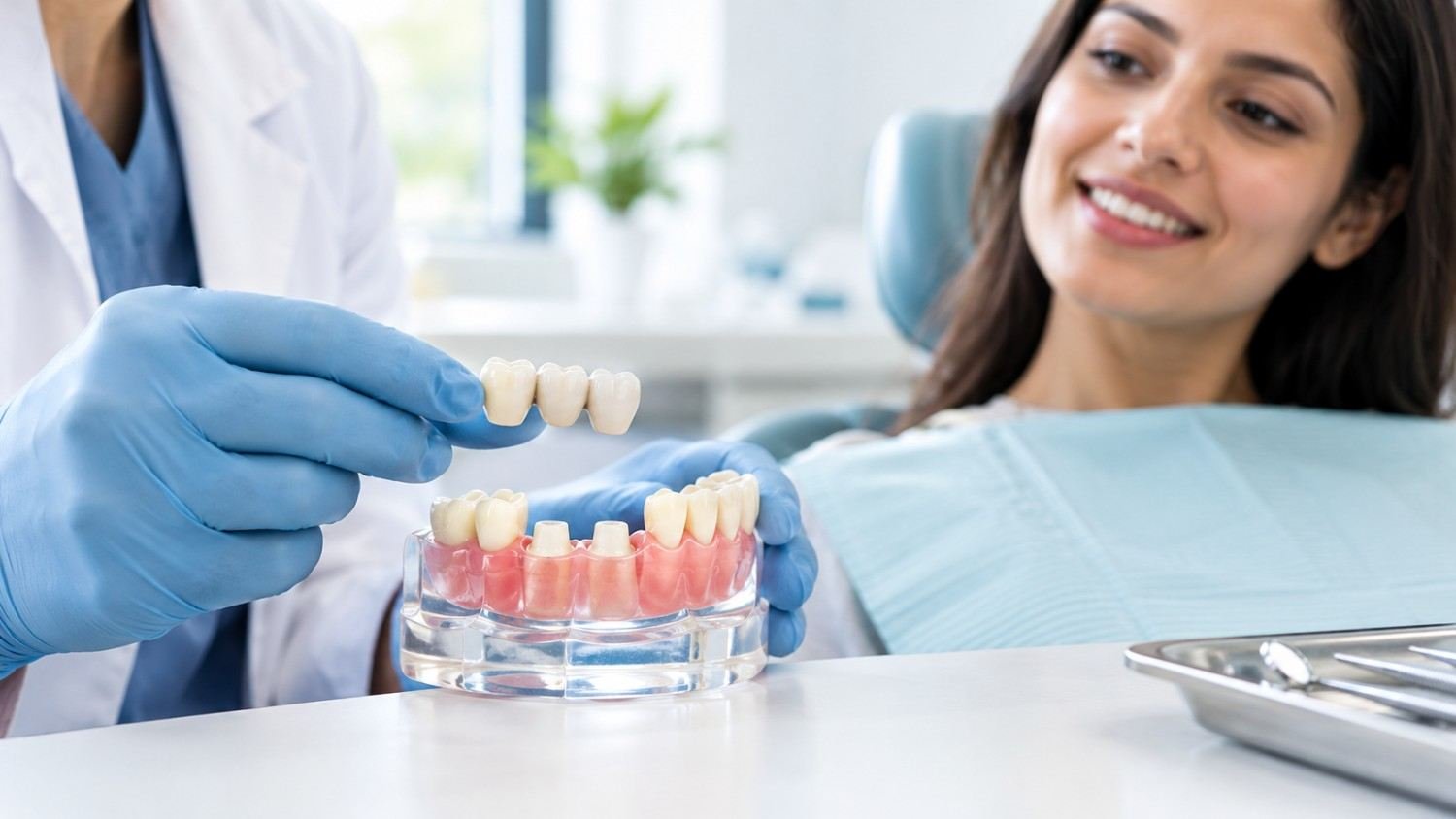
If you wear dentures, bridges, crowns, or other dental restorations, they need regular attention too. Replacing missing teeth does not mean you can stop caring for your mouth.
For denture wearers, everyday care should include:
- Removing and rinsing dentures after meals.
- Cleaning them daily with a suitable denture-cleaning product.
- Removing dentures before sleeping unless your dentist advises otherwise.
- Cleaning your tongue, gums, and any remaining natural teeth.
- Visiting your dentist to check their fit and condition.
Ill-fitting dentures can cause sore spots, irritation, and difficulty chewing. If your dentures feel loose or uncomfortable, avoid adjusting them yourself.
A dentist can assess whether they need professional adjustment, repair, or replacement.
Crowns and bridges also require regular cleaning around their edges and supporting teeth.
If you have dental implants, maintaining healthy gums and following your dentist’s cleaning instructions are equally important.
7. Make Oral Care Easier When Mobility or Vision Changes
Sometimes, the biggest challenge for seniors is not understanding what to do but physically managing their daily oral hygiene routine.
Arthritis, reduced grip strength, limited mobility, and vision changes can make brushing and flossing more challenging. Fortunately, a few practical adjustments can help.
Consider these options:
- Switch to an electric toothbrush with a comfortable grip.
- Use a toothbrush with a larger handle.
- Try floss holders or water flossers if traditional floss is difficult.
- Keep oral hygiene products organized in an easily accessible place.
- Use good bathroom lighting to see your teeth and gums clearly.
Family members and caregivers can also provide gentle assistance when needed.
However, seniors should remain involved in their oral care decisions and routines as much as possible.
When Should Seniors Schedule a Dental Appointment?
Do not ignore these symptoms
Certain dental symptoms deserve prompt professional attention rather than waiting for the next routine checkup.
Contact your dentist if you notice:
- Persistent toothache or sensitivity.
- Bleeding or swollen gums.
- A loose tooth or sudden changes in your bite.
- Dentures causing repeated sores.
- White or red patches, lumps, or sores that do not heal within two weeks.
- Difficulty chewing or swallowing.
Severe facial swelling, uncontrolled bleeding, or difficulty breathing or swallowing requires urgent medical attention.
Early evaluation can help prevent minor concerns from developing into more complicated dental problems.
Frequently Asked Questions About Senior Dental Care
1. Is it normal to lose teeth as you get older?
No. Tooth loss is not an inevitable part of ageing. Cavities, advanced gum disease, and untreated dental problems are common causes of tooth loss, and many can be prevented or managed with appropriate dental care.
2. How often should seniors visit the dentist?
Most seniors should have regular dental examinations at least once a year, although some may need visits every three to six months. Your dentist can recommend a schedule based on your gum health, cavity risk, medications, and existing dental work.
3. Why do older adults experience more cavities?
Dry mouth, receding gums, exposed tooth roots, and difficulty maintaining oral hygiene can increase cavity risk. Certain medications can also reduce saliva production, making teeth more vulnerable to decay.
4. Are electric toothbrushes better for seniors?
Electric toothbrushes can make cleaning easier for seniors, particularly those experiencing arthritis or reduced hand mobility. They can help maintain consistent brushing without requiring extensive hand movements.
5. Should seniors wearing dentures still visit a dentist?
Absolutely. Denture wearers still need regular dental examinations to check their oral tissues, assess denture fit, and identify infections or irritation. Dentures also require daily cleaning and proper overnight care.
6. Can gum disease be treated in older adults?
Yes. Gum disease can be treated at any age. Depending on its severity, treatment may involve professional cleaning, scaling and root planing, or other periodontal procedures to control infection and protect supporting tissues.
Give Your Smile the Care It Deserves at Every Age With Smile Flossophy
Ageing may bring changes to your teeth and gums, but it doesn’t mean you have to live with discomfort, avoid your favourite foods, or feel less confident about your smile.
Whether you’re experiencing gum recession, tooth sensitivity, dry mouth, missing teeth, or simply want to protect your oral health, the right dental care can help you enjoy a healthier, more comfortable smile at every stage of life.
And you don’t have to figure it all out on your own.
At Smile Flossophy, we believe quality dentistry should feel as good as the results. We take the time to understand your concerns, explain your treatment options transparently, and create personalized care plans that put your comfort first.
From general dentistry and gum care to restorative treatments, dental implants, dentures, and sedation dentistry for patients who feel anxious about dental visits, our goal is to make every step of your Windsor family dental journey more comfortable and reassuring.
Our approach is built around education, honest, personalized, and completely judgment-free care.
Your smile deserves attention, not postponement.
Don’t wait! Schedule your dental appointment with Smile Flossophy today and talk to our team about your concerns.
Because at Smile Flossophy, we believe growing older should never mean smiling less.