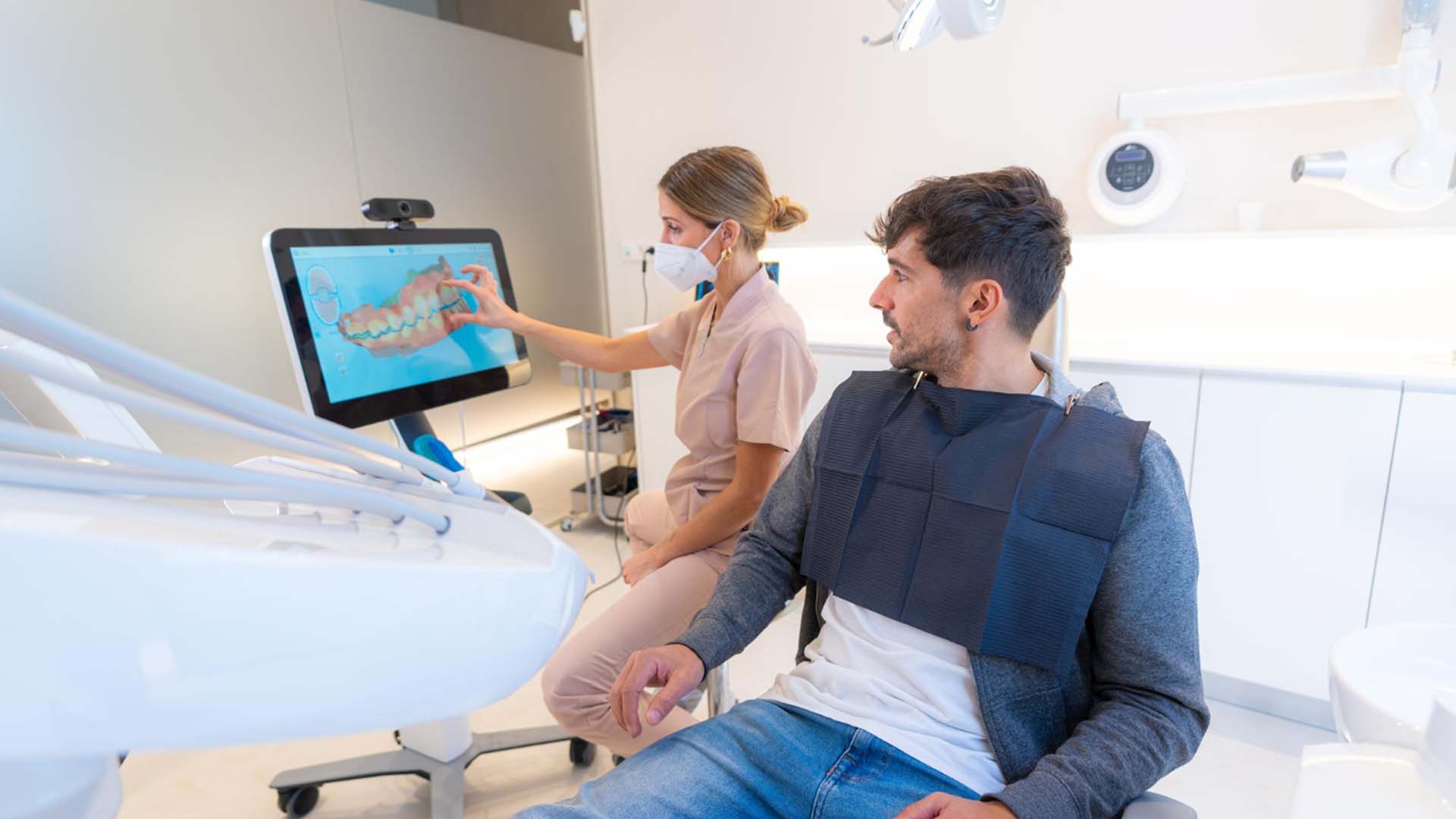
Your mouth can reveal more about your health than you might think. A routine dental visit is not just about checking for cavities or getting your teeth cleaned.
Oral health screening also allows your dentist to examine your gums, tongue, cheeks, jaw, and other tissues for changes that may need attention.
Some oral health problems develop quietly, without obvious pain or visible symptoms, which makes regular dental examinations an important part of preventive care.
Research has also identified associations between gum disease and certain health conditions, including diabetes and cardiovascular disease, although these relationships do not always establish direct cause and effect.
If you are looking for a dentist in Plainsboro, understanding the bigger picture of oral health can help you make more informed decisions about your well-being.
Why Is Oral Health Screening About More Than Your Teeth?
Oral health screening is a preventive assessment of the mouth that helps identify signs of dental disease, gum problems, oral lesions, and other abnormalities. It gives your dentist a broader understanding of your oral health rather than focusing exclusively on individual teeth.
Your mouth contains different tissues and structures that work together every day. Changes in these areas can sometimes signal an oral health concern that deserves further examination.
A comprehensive screening may include:
- Teeth: Checking for cavities, cracks, enamel wear, and other damage.
- Gums: Looking for inflammation, bleeding, recession, and signs of periodontal disease.
- Tongue and cheeks: Examining unusual patches, sores, swelling, or changes in texture.
- Jaw and bite: Assessing alignment, discomfort, and signs of teeth grinding when appropriate.
- Oral tissues: Checking for abnormalities that may require additional evaluation.
- Medical and dental history: Reviewing relevant medications, health conditions, lifestyle habits, and previous dental concerns.
This wider approach helps your dentist recommend care based on your individual needs instead of taking a one-size-fits-all approach.
The Connection Between Oral Health and Overall Wellness
Your oral health and general health are closely connected, but it is important to understand what that connection actually means.
Certain systemic conditions can affect your mouth, while oral diseases may be associated with health concerns elsewhere in the body.
The American Dental Association explains that periodontal disease has been associated with conditions such as diabetes and cardiovascular disease. However, an association does not automatically mean one condition directly causes another.
How can gum disease affect your health?
Gum disease is an inflammatory condition that affects the tissues supporting your teeth. Early gum inflammation may cause redness, tenderness, or bleeding, while more advanced periodontal disease can damage the supporting structures around teeth.
Research suggests that gum disease and certain chronic conditions may share inflammatory pathways and common risk factors. Smoking, for example, can increase the risk of gum disease and also contributes to other health problems.
Regular dental examinations help your dentist identify gum concerns and recommend appropriate treatment. If you have diabetes or another chronic condition, sharing that information allows your dental team to tailor your care more effectively.
Important to know: Dental screening does not replace medical checkups, blood tests, or other diagnostic evaluations. Instead, it provides another opportunity to recognize concerns and seek the appropriate professional care.
Oral Cancer Screening: Small Changes Deserve Attention
An important part of many dental examinations is checking the mouth for abnormalities that could indicate oral cancer or another oral condition.
Your dentist may examine your lips, tongue, inner cheeks, gums, and the roof and floor of your mouth for unusual changes.
Some concerning lesions may not cause pain in their early stages. This is one reason a professional examination can be valuable, even when your mouth feels completely normal.
During an oral examination, your dentist may look for:
- Sores that do not heal.
- Red or white patches that are unusual or persistent.
- Lumps, thickened areas, or unexplained swelling.
- Changes in the appearance or texture of oral tissues.
- Persistent difficulty swallowing or unexplained discomfort.
These findings do not necessarily indicate cancer. Many oral changes have noncancerous causes, but persistent or suspicious symptoms should be evaluated promptly.
A dental screening is not a guarantee that every condition will be detected. If your dentist identifies an area of concern, they may recommend further evaluation or referral to an appropriate specialist.
What Happens During a Comprehensive Oral Health Screening?
A dental screening is generally straightforward and should give you a clearer understanding of your current oral health. The exact steps depend on your age, medical history, symptoms, and individual risk factors.
Here is what you can typically expect.
1. A conversation about your health
Your dentist may ask about medications, existing health conditions, tobacco use, dental symptoms, and any changes you have noticed. This information helps identify factors that could influence your oral health or treatment recommendations.
Be open about concerns such as dry mouth, bleeding gums, jaw discomfort, or dental anxiety. These details can help your dental team make your visit more comfortable and productive.
2. An examination of your teeth and gums
Your dentist will inspect your teeth for signs of decay, damage, and wear. They may also evaluate your gums for inflammation, recession, bleeding, or periodontal pockets when indicated.
3. An assessment of your oral tissues
Your tongue, cheeks, lips, and other oral tissues may be examined for unusual changes. Your dentist may also assess your bite and jaw if symptoms or clinical findings suggest a need.
4. Dental X-rays, if needed
X-rays can reveal certain problems that are not visible during a visual examination, such as decay between teeth or changes in supporting bone. They are recommended according to your clinical needs rather than automatically for every patient at every visit.
5. A personalized discussion of next steps
After the examination, your dentist should explain any findings in understandable language. If treatment is recommended, you can discuss the reason for it, available options, expected benefits, potential risks, and costs before deciding how to proceed.
At Smile Flossophy, our approach to dental care emphasizes comfort, clear communication, and personalized treatment planning.
Who Should Consider Regular Oral Health Screening?
Oral health screening is important for adults and children alike, although the type and frequency of examinations may differ. Your dental team can recommend a schedule based on your oral health, risk factors, and medical history.
Screening is especially worth discussing if you:
- Have bleeding, swollen, or receding gums.
- Experience persistent bad breath or dry mouth.
- Have diabetes or another condition that may affect oral health.
- Use tobacco or have other risk factors for oral disease.
- Notice a persistent sore, unusual patch, or lump in your mouth.
- Have not visited a dentist in a while.
- Wear dentures, have dental implants, or have a history of gum disease.
You do not need to wait for discomfort before scheduling an examination. Preventive visits can help identify problems before they become more complicated, although no screening can prevent or detect every condition.
Regular dental checkups and professional cleanings, with additional visits when advised by your healthcare provider.
How Often Should You Get an Oral Health Screening?
There is no single screening schedule that works for everyone. Some people benefit from routine visits at intervals recommended by their dentist, while others may need more frequent monitoring because of gum disease, a history of dental problems, or other risk factors.
Your dentist may consider the following when recommending your next visit:
| Factor | Why it matters |
| Gum health | Existing periodontal disease may require closer monitoring. |
| History of cavities | A higher risk of decay may affect preventive care recommendations. |
| Medical conditions | Certain conditions and medications can influence oral health. |
| Tobacco use | Tobacco increases the risk of several oral health problems. |
| Previous oral abnormalities | Some findings may need follow-up examinations. |
Rather than relying on a fixed schedule you found online, ask your dentist what interval is appropriate for you.
Everyday Habits That Support Better Oral Health
Professional screening is only one part of maintaining a healthy mouth. Your daily habits also help protect your teeth and gums between appointments.
A few practical steps can make a meaningful difference:
- Brush twice daily with fluoride toothpaste.
- Clean between your teeth every day using floss or another suitable interdental cleaner.
- Limit frequent sugary snacks and drinks.
- Avoid tobacco products.
- Drink water regularly, especially if you experience dry mouth.
- Follow recommendations for professional cleanings and preventive treatments.
- Report persistent mouth sores, unexplained swelling, or other unusual changes to a dental professional.
If you struggle to maintain an oral care routine, ask your dentist or hygienist for practical advice. The goal is to find habits that work for your needs and lifestyle, not to make oral care feel overwhelming.
Choosing a Dentist in Plainsboro for Preventive Care
Finding the right dentist in Plainsboro means looking for more than a convenient appointment.
You want a dental team that listens to your concerns, explains findings clearly, and helps you understand your options without making you feel judged.
When choosing a dental practice, consider whether it offers:
- Comprehensive dental examinations and preventive care.
- Gum health assessments and appropriate follow-up.
- Oral cancer screening as part of suitable examinations.
- Clear explanations of findings and treatment recommendations.
- Personalized care based on your health history and risk factors.
- A comfortable environment for patients who experience dental anxiety.
It is also helpful to choose a practice where you feel comfortable asking questions about treatment, costs, and alternatives.
If you have avoided dental visits because of anxiety or previous negative experiences, let the dental team know before your appointment. A supportive practice can discuss ways to help you feel more relaxed and in control throughout your visit.
Frequently Asked Questions About Oral Health Screening
1. What is the main purpose of oral health screening?
Oral health screening helps identify signs of tooth decay, gum disease, oral tissue abnormalities, and other concerns. It also allows your dentist to consider your medical history and recommend appropriate preventive care or further evaluation.
2. Can a dentist detect health problems through your mouth?
A dentist may notice oral signs associated with certain medical conditions, medication effects, nutritional concerns, or other health issues. However, these findings are not enough to diagnose most systemic conditions, and additional medical evaluation may be necessary.
3. Does oral health screening include oral cancer screening?
An oral examination may include checking the lips, tongue, cheeks, gums, and other tissues for unusual changes. Ask your dentist what the examination includes and whether additional evaluation is appropriate for your risk factors or symptoms.
4. Can gum disease affect people with diabetes?
Yes. Diabetes and periodontal disease have a well-established two-way relationship: diabetes can increase the risk of gum problems, and periodontal inflammation may make blood glucose management more difficult. People with diabetes should discuss their oral health needs with their dental and medical providers.
5. Is oral health screening necessary if my teeth do not hurt?
Yes. Some dental and gum problems develop without noticeable pain, particularly in their early stages. Routine examinations can help identify concerns that may otherwise go unnoticed.
6. How long does a dental screening take?
The duration varies depending on whether you are having a routine examination, a cleaning, X-rays, or an evaluation of a specific concern. Your dental office can explain what to expect when you schedule your appointment.
7. When should I contact a dentist about an unusual mouth sore?
Contact a dental or medical professional about a persistent sore, unexplained lump, red or white patch, or other unusual oral change. Do not wait for your next routine appointment if a symptom is concerning, worsening, or accompanied by difficulty swallowing or other significant symptoms.
8. Where can I find a dentist in Plainsboro for preventive dental care?
Smile Flossophy serves patients in Plainsboro and surrounding communities, offering preventive, general, cosmetic, and other dental services. You can explore the practice’s Plainsboro dental care page to learn more about its services and approach.
Make Your Oral Health a Priority With Smile Flossophy
At Smile Flossophy, we believe dental care should help you feel informed, comfortable, and confident about your health.
Our approach goes beyond addressing immediate dental concerns. We take time to understand your needs, explain our findings, and help you explore treatment options that fit your individual situation.
Whether you need a routine checkup, gum health evaluation, restorative treatment, or support managing dental anxiety, our team is here to make your experience more approachable.
We offer a range of dental services, including general dentistry, cosmetic dentistry, orthodontics, implant dentistry, sedation dentistry, endodontics, periodontics, oral surgery, emergency dentistry, and All-on-4 full-arch restoration.
If you are searching for a dentist in Plainsboro, we invite you to discover a more thoughtful approach to dental care. Visit Smile Flossophy to learn about our services or contact our team to discuss scheduling your visit.
Your oral health deserves attention, understanding, and care that feels right for you.