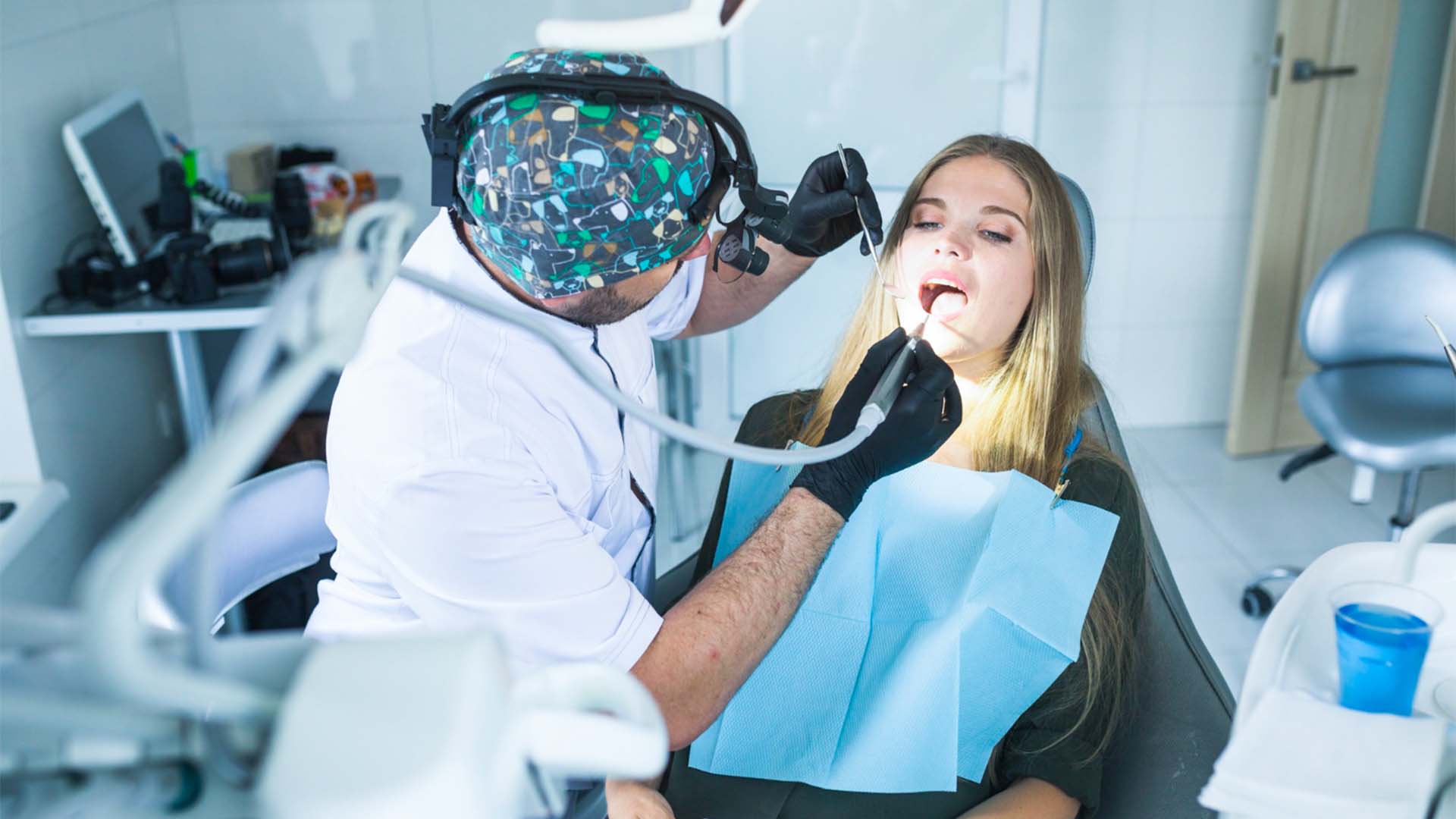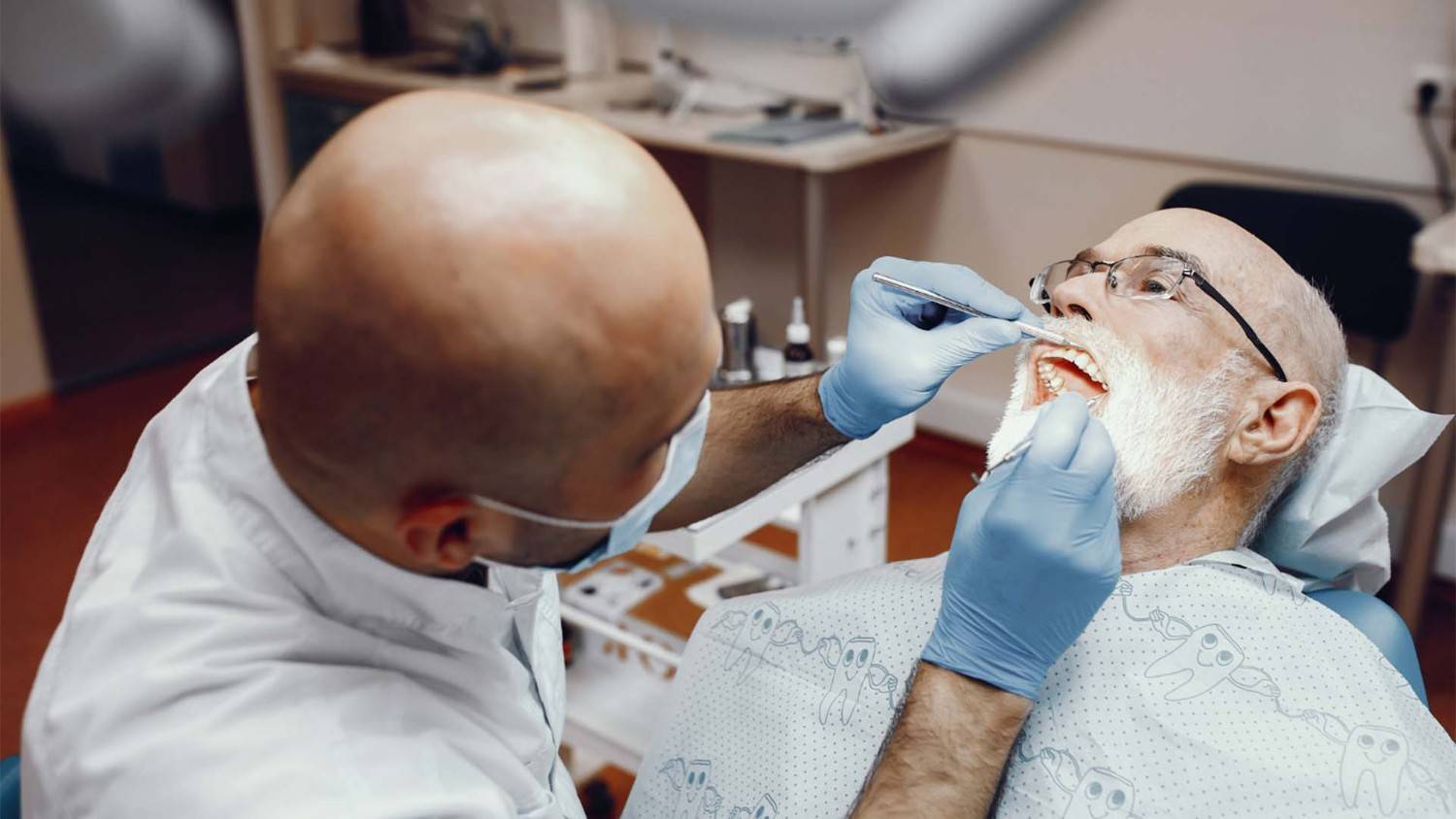
Digital dental technology is changing how dentists examine teeth, plan treatments, communicate findings, and help patients understand their oral health.
From digital X-rays and intraoral scanners to computer-guided implant planning, these tools can improve efficiency and support more informed treatment decisions.
However, technology is not just about advanced equipment. It is also about helping patients feel informed, reducing unnecessary uncertainty, and making dental care easier to understand.
When modern tools work alongside an experienced dental team, patients can benefit from a more personalized experience that prioritizes comfort, transparency, and long-term oral health.
Digital dentistry uses modern imaging, scanning, and planning tools to support more precise examinations and personalized treatment.
These technologies can improve communication, simplify certain procedures, and help patients make informed decisions about their dental care.
What Is Digital Dentistry and Why Does It Matter?
Digital dentistry refers to the use of digital tools and computer-based systems to support dental diagnosis, treatment planning, and patient care.
Instead of relying exclusively on traditional methods, dentists can use digital information to assess oral health and plan appropriate treatments.
These technologies can be particularly helpful when a patient needs restorative work, orthodontic treatment, dental implants, or a detailed evaluation of their teeth and gums.
Digital dentistry may include:
- Digital X-rays for examining teeth and supporting structures.
- Intraoral scanners for creating digital impressions.
- Digital treatment planning for restorative and implant procedures.
- Computer-aided design and manufacturing for certain dental restorations.
- Digital records that support communication and continuity of care.
For patients, the biggest advantage is how these tools can make dental information easier to understand.
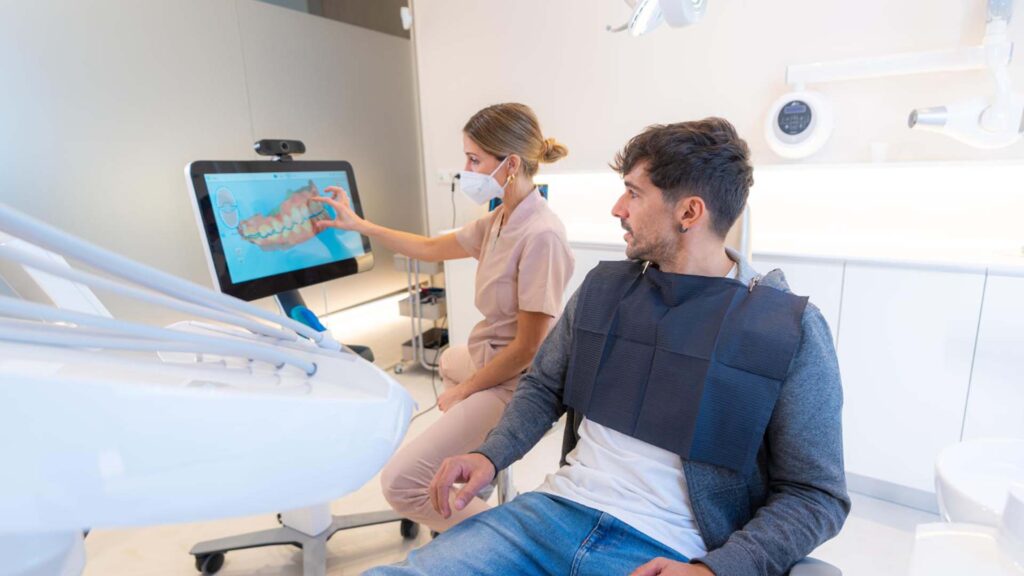
Seeing a digital image of a tooth or a three-dimensional model of your mouth can help you understand your dentist’s recommendations and discuss your options more confidently.
Digital X-Rays Support More Informed Dental Examinations
Digital dental X-rays allow dentists to examine areas that cannot be fully assessed through a visual examination alone. They can help identify cavities between teeth, changes in supporting bone, and certain problems around tooth roots.
Unlike traditional film-based radiography, digital systems capture images electronically. This allows dental professionals to view images quickly, adjust their display, and store them as part of a patient’s dental record.
How do digital X-rays benefit patients?
Digital X-rays can make examinations more efficient because images are available almost immediately. They can also be enlarged or adjusted to help dentists assess particular areas more closely.
Modern digital imaging systems may use less radiation than comparable conventional film techniques, although the actual dose depends on the equipment and examination. Dental X-rays should always be selected according to individual clinical needs, not performed automatically without considering their usefulness.
For patients looking for a dentist in West Windsor, NJ, digital imaging can support clearer explanations of dental concerns and help the dental team recommend appropriate next steps.
Intraoral Scanners Make Dental Impressions More Comfortable
Traditional dental impressions involve placing impression material in a tray and holding it in the mouth while the material sets. Some patients find this process uncomfortable, especially if they have a sensitive gag reflex.
Intraoral scanners offer an alternative for many procedures. These handheld devices capture images of the teeth and surrounding structures, creating a digital model that dentists can use for treatment planning.
What can digital dental scans be used for?
Digital scans may support several types of dental treatment, including:
- Planning crowns, bridges, and other restorations.
- Creating records for clear aligner treatment.
- Assessing tooth positions and bite relationships.
- Supporting the design of certain dental appliances.
- Monitoring selected changes in the teeth over time.
Digital scanning may reduce the need for conventional impressions in suitable cases. It can also make it easier for patients to view a model of their teeth and understand why a particular treatment has been recommended.
However, scanners are not suitable for every clinical situation, and some procedures may still require traditional impressions or additional records.
Digital Treatment Planning Helps Personalize Dental Care
No two patients have exactly the same dental needs. Digital treatment planning helps dentists evaluate available information and consider how different treatment options may work for an individual patient.
Depending on the procedure, dentists may combine digital photographs, scans, X-rays, and other diagnostic records to create a clearer picture of the patient’s oral health.
This approach can be useful when planning complex restorative treatment, orthodontics, or implant dentistry. It can also support discussions about the sequence of treatment, expected outcomes, and practical considerations.
For patients, the benefit is greater clarity before treatment begins.
You can ask questions, discuss alternatives, and understand the reasoning behind your dentist’s recommendations instead of feeling uncertain about what comes next.
Digital tools support clinical decision-making, but they do not replace professional judgement.
Treatment recommendations still depend on a thorough examination, relevant medical history, and the dentist’s assessment of each patient’s needs.
Dental Implants Benefit From Advanced Digital Planning
Dental implants are designed to replace missing teeth by supporting restorations such as crowns, bridges, or full-arch prostheses. Successful treatment requires careful assessment of the patient’s oral health, available bone, and individual treatment goals.
Digital imaging can help dentists evaluate the jaw and surrounding anatomical structures before implant placement.
When clinically indicated, three-dimensional cone-beam computed tomography (CBCT) provides detailed views of bone and anatomy that conventional two-dimensional X-rays cannot show in the same way.
Digital scans and planning software may also help dentists design a proposed implant position and, in selected cases, create a surgical guide.
What does this mean for patients?
Digital implant planning can help the dental team assess anatomical considerations and prepare for treatment. It may be particularly useful for patients considering multiple implants or full-arch restorations, including All-on-4 treatment.
However, not every implant case requires the same imaging or guided techniques.
CBCT involves additional radiation compared with conventional dental X-rays, so its use should be justified by the patient’s specific clinical needs.
A personalized consultation helps determine which diagnostic tools are appropriate and what treatment options may be available.
Technology Is Improving the Patient Experience
Dental anxiety is common, and uncertainty can make appointments feel even more stressful. Digital technology can help reduce some of that uncertainty by allowing patients to see their dental concerns and understand the proposed treatment.
For example, an enlarged digital image may help explain a cavity, while a digital scan can illustrate tooth alignment or the shape of a proposed restoration.
This visual communication encourages patients to ask questions and participate in decisions about their care. It can also make conversations about treatment options more practical and less overwhelming.
Technology alone does not create a comfortable dental experience. A supportive team, clear communication, and respect for patient preferences remain essential.
At Smile Flossophy, patient-focused dentistry means taking time to explain procedures, discuss concerns, and help patients feel more comfortable throughout their visits.
Patients who experience dental anxiety can also ask about available comfort measures and sedation options when appropriate.
Digital Dentistry Can Improve Restorative Treatment
Restorative dentistry focuses on repairing or replacing damaged or missing teeth. Digital workflows can support the planning and production of certain restorations, including crowns, inlays, onlays, and some bridges.
Computer-aided design and computer-aided manufacturing, commonly called CAD/CAM, allow compatible digital scans to be used when designing and producing dental restorations.
Depending on the practice, laboratory workflow, material, and complexity of the case, digital systems may reduce some manual steps and help streamline treatment.
Are digital crowns always completed in one visit?
Not necessarily. Some dental practices have equipment that allows eligible restorations to be designed and manufactured in-house, potentially making same-day treatment possible.
Other cases require laboratory fabrication, additional appointments, or temporary restorations while the final crown is being made. The most suitable approach depends on the tooth, the restoration required, and the patient’s clinical circumstances.
Your dentist can explain the expected timeline and whether a digital workflow is appropriate for your treatment.
Digital Records Support Better Communication and Continuity
Digital dental records help practices organize information such as examination findings, treatment plans, diagnostic images, and relevant medical history. Having these records available can support communication across appointments and make it easier to review changes over time.
For example, comparing appropriate images or scans from different visits may help dentists assess changes in tooth position, wear, or selected oral structures.
Digital records also allow dental teams to explain findings using visual information rather than relying entirely on verbal descriptions.
Patient privacy remains important. Dental practices should handle digital records securely and follow applicable privacy requirements when storing or sharing patient information.
Choosing a Dentist in West Windsor, NJ, Who Uses Modern Technology
When searching for a dentist in West Windsor, NJ, it is worth looking beyond the equipment used in the office.
The best dental experience combines appropriate technology, clinical expertise, transparent communication, and a treatment plan tailored to your needs.
Consider asking these questions during your consultation:
- Which digital technologies are available for my treatment?
- How will these tools help with my particular dental concern?
- Are additional X-rays or scans necessary, and why?
- What treatment alternatives should I consider?
- What will the procedure cost, and how many visits may be needed?
- What options are available if I feel anxious during treatment?
A good dental team should be able to explain the benefits and limitations of its recommendations in language you understand.
Digital tools can support accurate diagnosis and planning, but newer technology is not automatically better for every procedure. Your comfort, oral health, clinical needs, and informed preferences should guide treatment decisions.
Frequently Asked Questions
1. Is digital dentistry better than traditional dentistry?
Digital dentistry can improve imaging, communication, and planning for many procedures. However, traditional methods remain appropriate in some situations, and the best approach depends on the patient’s needs and the treatment being performed.
2. Are digital dental X-rays safe?
Dental X-rays use ionizing radiation, so they should be taken only when clinically justified. Digital systems may reduce radiation exposure compared with conventional film techniques, depending on the equipment and settings.
3. Do intraoral scanners replace traditional impressions?
Intraoral scanners can replace conventional impressions for many suitable procedures. However, traditional impressions may still be needed for certain treatments or when a digital scan is not appropriate.
4. Can digital technology make dental implants more predictable?
Digital imaging and planning can help dentists evaluate anatomy and plan implant placement. These tools support treatment planning but cannot guarantee an outcome, which also depends on patient health, clinical judgement, surgical technique, and healing.
5. Does digital dentistry make dental treatment less expensive?
Not always. Digital technology may improve efficiency for certain procedures, but equipment, materials, laboratory work, and treatment complexity affect the overall cost. Ask for a clear estimate before proceeding.
6. Should I choose a dentist based only on advanced technology?
No. Technology is one consideration when selecting a dentist. Clinical experience, communication, infection-control practices, treatment transparency, and your comfort are equally important factors.
Experience Thoughtful Dental Care With Smile Flossophy
At Smile Flossophy, we believe modern dentistry should make patients feel more informed, comfortable, and confident about their oral health. Our personalized approach combines patient education, transparent treatment discussions, and personalized care designed around individual needs.
From general and cosmetic dentistry to orthodontics, implant dentistry, sedation dentistry, endodontics, periodontics, oral surgery, emergency dentistry, and All-on-4 full-arch restoration, our goal is to help patients understand their options and feel supported throughout their dental journey.
If you are looking for a dentist in West Windsor, consider choosing a dental team that values both modern treatment approaches and the human side of dentistry.
We encourage you to ask questions, share your concerns, and take an active role in decisions about your smile.
At Smile Flossophy, better dental care begins with understanding, comfort, and a plan that puts you first.